


International School - Al Koura
Part of AMSI, Secular, Founded 1985
Updated July 2026
 Advanced Placement
 NEASC
NEASC


The International School - Al Koura is an international-based school in Beitroumine, Lebanon, serving students from Kindergarten through Grade 12. It is part of the AMSI group and offers both a High School Diploma program and the Lebanese Baccalaureate curriculum.
Curriculum
Teaching approach
The school’s mission is to 'link learning to life' by fostering a mindset of responsibility, courage, empathy, tolerance, self-awareness, and integrity. It prioritizes student-centered learning, project-based learning (PBL), and backward design to develop independent, well-rounded critical thinkers. The educational approach aims to prepare students for a changing world by focusing on character building and 'High Quality Learning' rather than just academic information acquisition.
Programmes
The school offers three primary tracks: the Lebanese Baccalaureate Program, the High School Program, and an AP Honors Program for students in grades 10-12. Instruction is primarily in English, with Arabic taught as a core subject and French as a second foreign language starting in KG1. The curriculum integrates STEAM initiatives and project-based learning across all levels, with specific focus on preparing students for university entrance requirements.
Outcomes
Graduates are prepared for higher education in Lebanon and abroad, with the school offering preparation for TOEFL, IELTS, and SAT exams. The school is NEASC accredited and provides pathways leading to either the Lebanese Baccalaureate or a High School Diploma, with the option for exceptional students to pursue an AP Honors Program. The school emphasizes the development of 21st-century skills, including critical thinking, collaboration, and character building, as outlined in the Profile of an I.S. Graduate.
Student support
Learning support
A dedicated Special Programs and Education Department (SPED) supports inclusive education for students with special needs. This department is staffed by a multi-disciplinary team, including a special educator, a speech therapist, a psycho-motor specialist, and educational assistants, who provide individualized support and follow-up. Additionally, school counselors are available from KG through Grade 12 to assist with educational goals, mental health, and career guidance.
Frequently asked questions(6)
- What curriculum does International School - Al Koura offer?
- International School - Al Koura offers Advanced Placement.
- How much is tuition at International School - Al Koura?
- Annual tuition at International School - Al Koura is $2.5K–$3.1K. Fees vary by year group — confirm the current schedule with the school.
- What ages does International School - Al Koura teach?
- International School - Al Koura enrolls students aged 3 to 18.
- Is International School - Al Koura a day or boarding school?
- International School - Al Koura is a day school.
- What accreditations does International School - Al Koura hold?
- International School - Al Koura holds accreditations including NEASC.
- Where is International School - Al Koura located?
- International School - Al Koura is an international school in Tripoli, Lebanon.
Tuition & fees
Annual tuition by grade
2024/2025| Grade | Ages | Annual |
|---|---|---|
| KG I, KG II and KG III (+ 25,000,000 LBP) | 3–5 | $2.5K |
| Grades 1, 2 and 3 (+ 27,000,000 LBP) | 6–8 | $2.6K |
| Grades 4, 5 and 6 (+ 29,000,000 LBP) | 9–11 | $2.7K |
| Grades 7 and 8 (+ 31,000,000 LBP) | 12–13 | $2.8K |
| Grade 9 and 1st Secondary / Grade 10 (+ 33,000,000 LBP) | 14–15 | $2.9K |
| 2nd Secondary/ Grade 11 and 3rd Secondary/ Grade 12 (+ 40,000,000 LBP) | 16–17 | $3.1K |
Source:PDF1650441245_0398abbcdfd1127925fb6fc9a657e6b7.pdfPDF1719822145_1eefb3aa756ed35c6c94e953ca6aae51.pdfPDF1746516808_174f11c35256e089d72270a0c85f4c40.pdf
Other fees(5)
| Enrolment fee· Paid once upon acceptance/open file | $150 |
|---|---|
| Bus / transport· Transportation fees range from $400 to $700 USD depending on location (Beitroumine/Bdeba/Bterram/Fih: $400; Kelhat/Afisdik/Bechmezzine: $500; Amioun/Kfarhazir: $550; Dahr El-Ein/Barsa/Bsarma or Kousba/Kfar'aka: $600; Bta'aboura/Mejdel, Tripoli, or Anfe/Kalamoun/Chekka/Zgharta: $650; Zgharta Suburbs or Hamat/Batroun: $700) | — |
| Materials· Cost of text books & copy books varies from class to class | — |
| Insurance· Students are fully insured to and from school as well as the full school day (included in tuition) | — |
| Uniform· Cost of uniforms is paid with the 1st payment (amount varies) | — |
Admissions
Registration for new students typically begins in late February. The process requires an online application, a personal or family interview, and a placement test, alongside the submission of academic transcripts, medical records, and identification documents. Students applying to KG1 must be three years old by the end of December, and preschool students must be toilet trained.
Calendar
The school operates on an academic year basis with tuition payments due in September, December, and March. Registration for returning students is confirmed by the end of May.
Facilities
About the campus
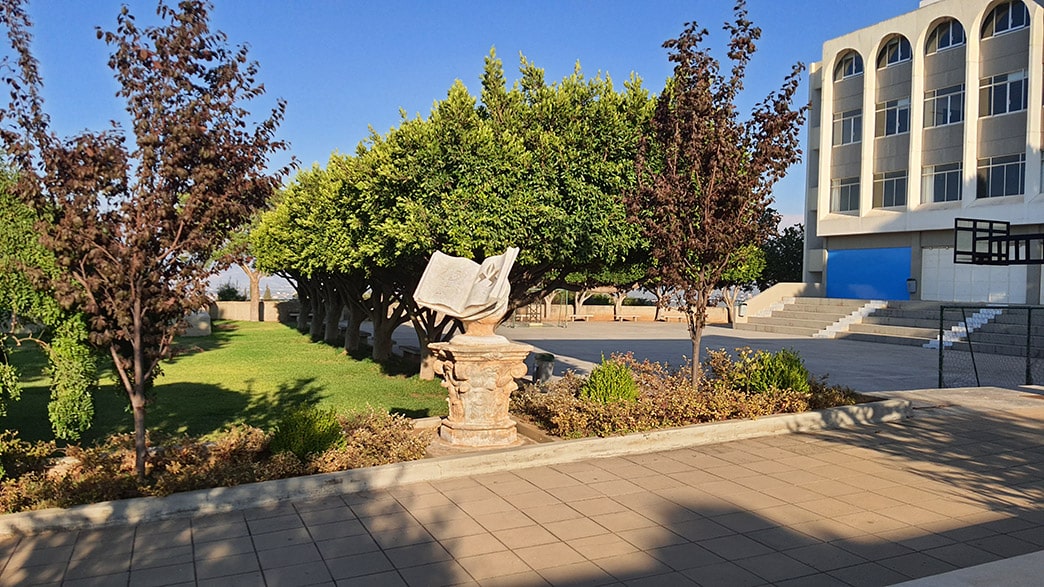
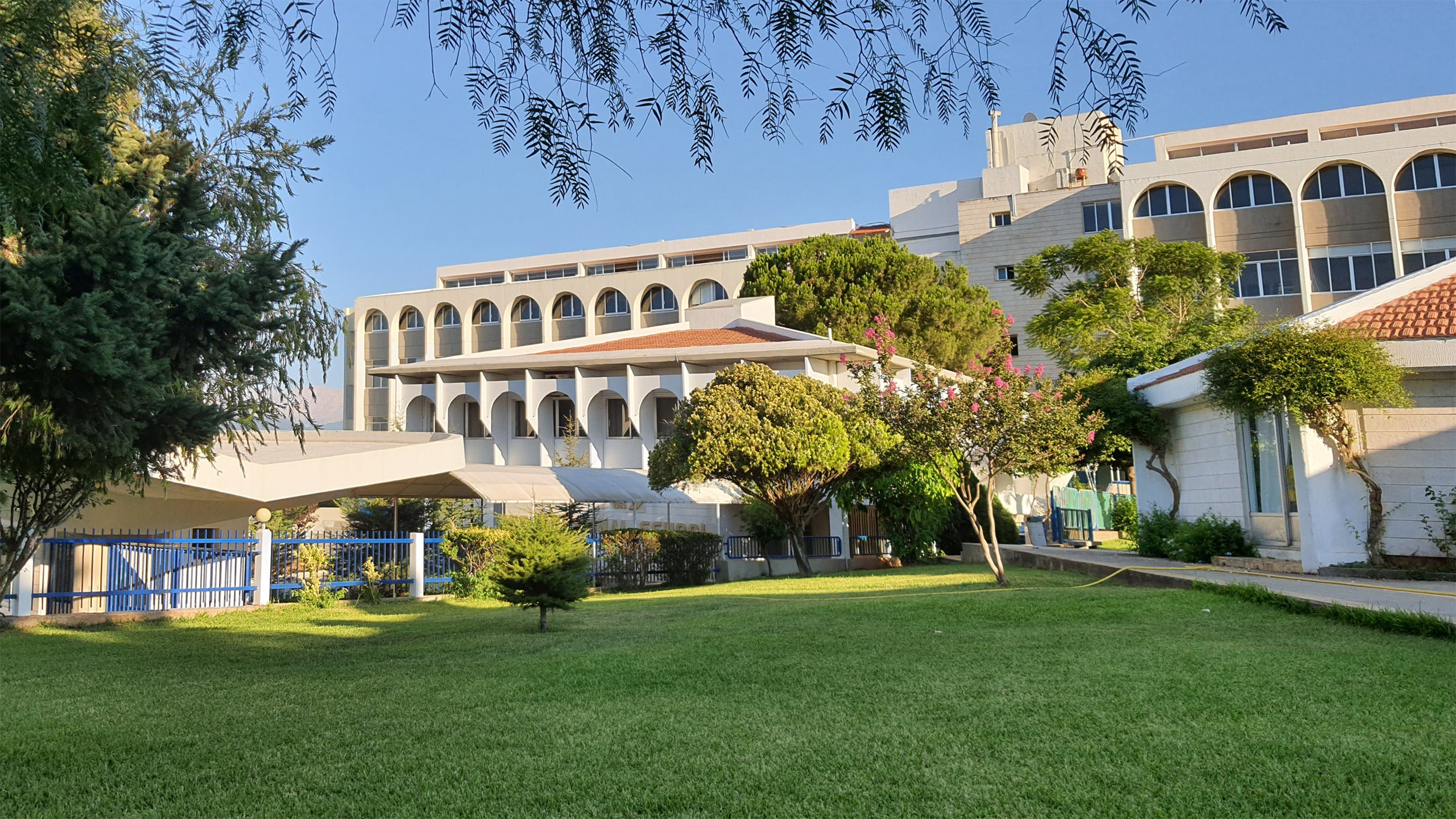
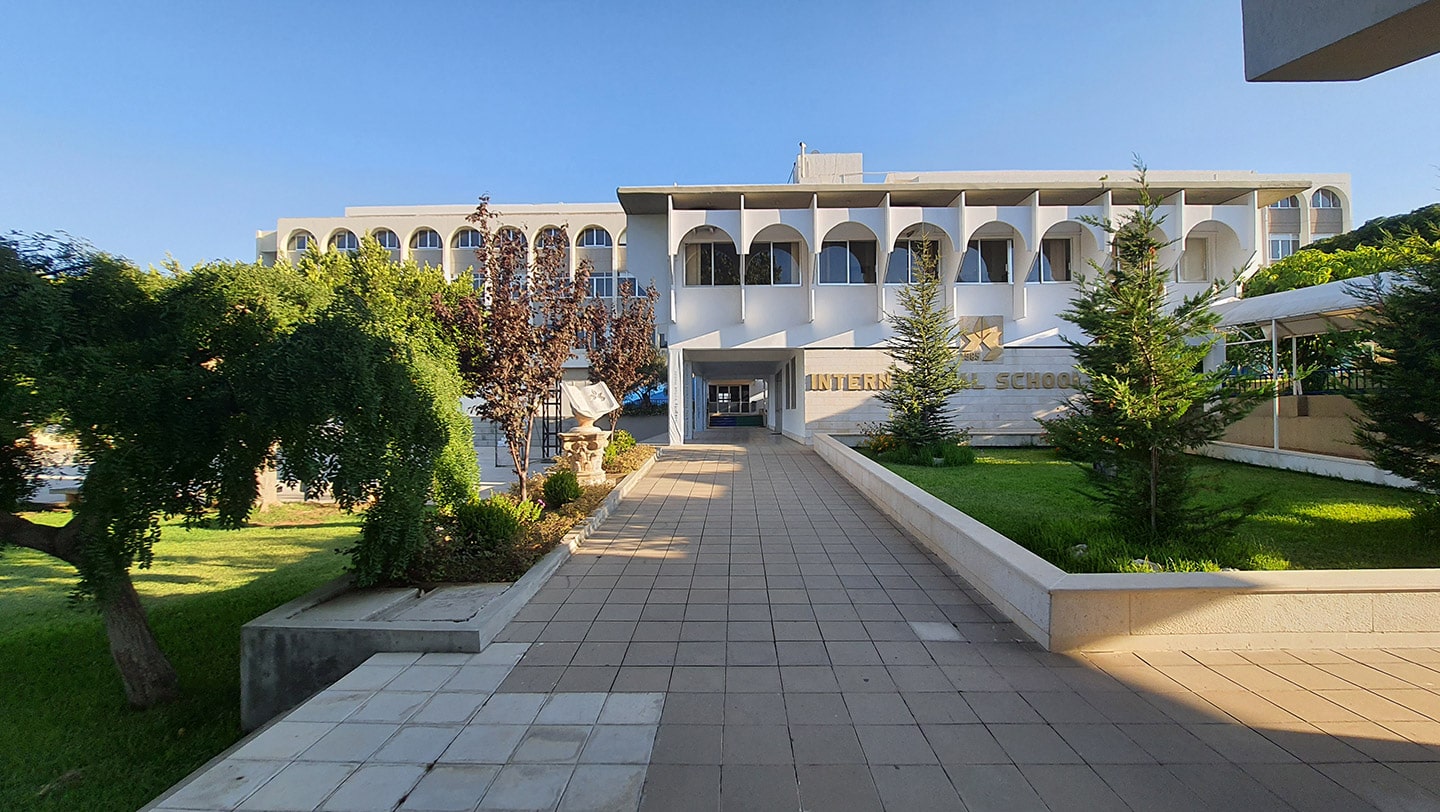
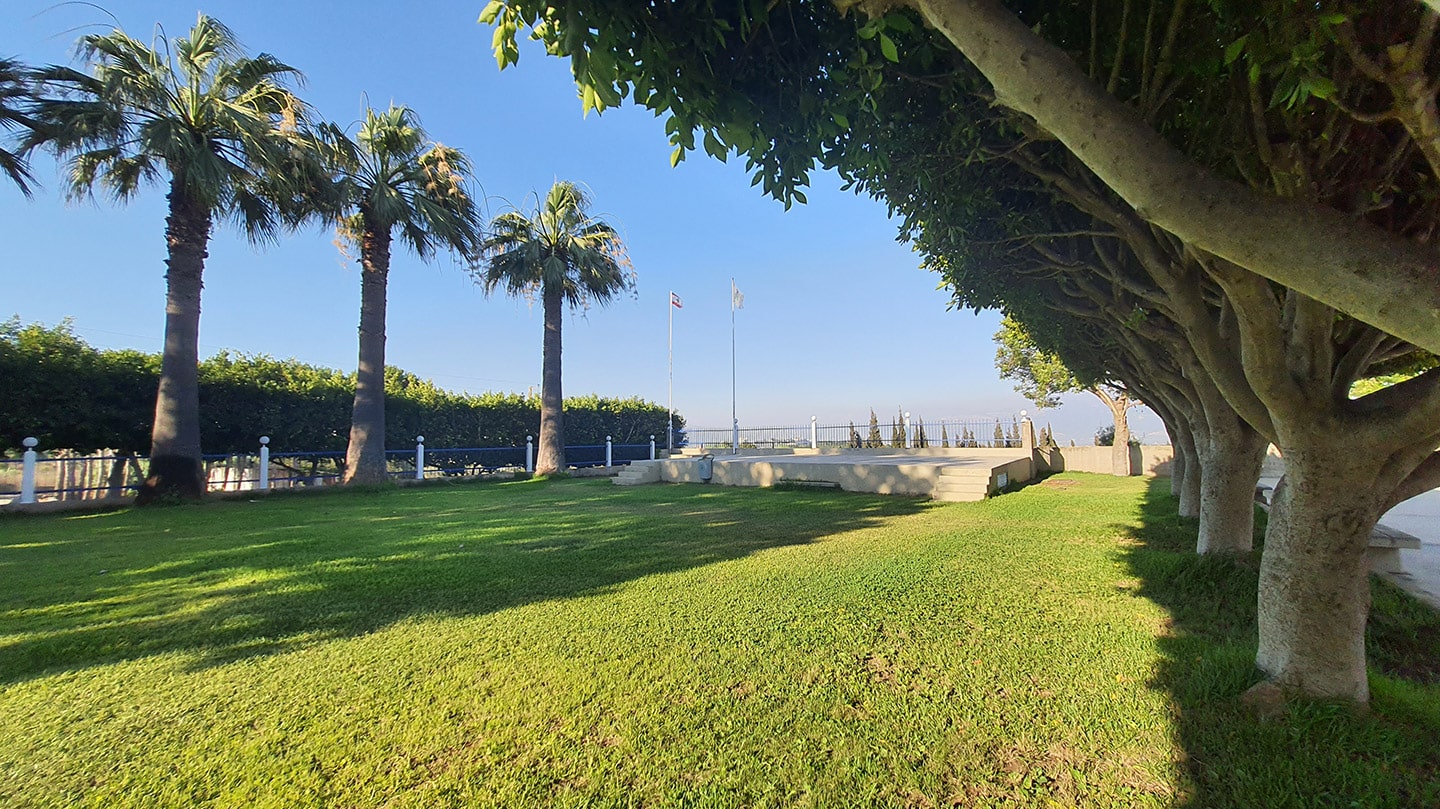
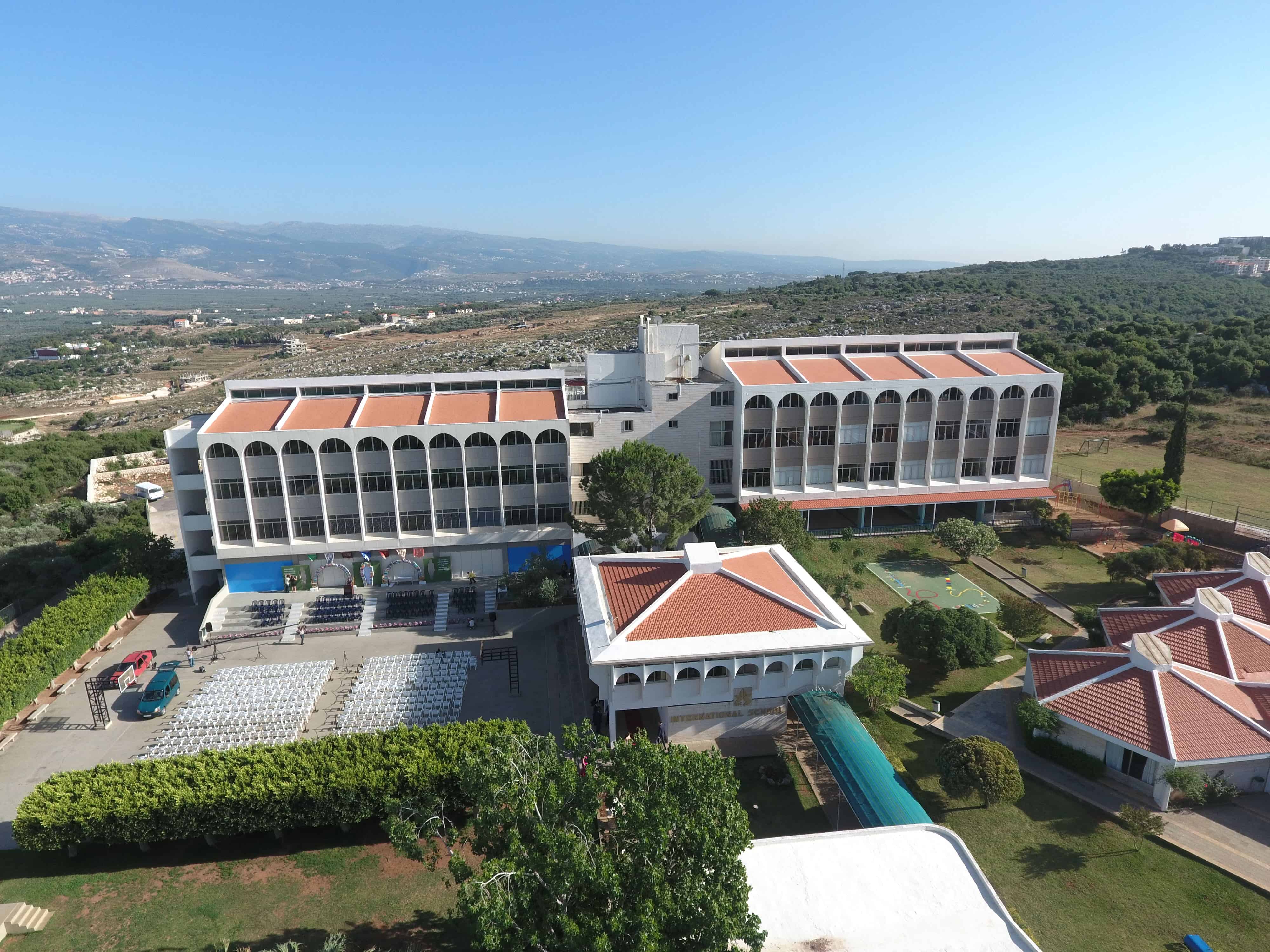
The campus spans 43,000 square meters and includes two cafeterias, an infirmary, a bookstore, an indoor gym, a grass soccer field, and multiple outdoor playgrounds. Academic facilities feature two science labs, two computer labs, two libraries, four art rooms, a music room, a multipurpose room, and a conference room. The school also serves as an SAT test center (number 54301) and is currently expanding to include a new building with ten classrooms and a 400-seat auditorium.
Co-curriculars
The school maintains varsity teams in soccer, futsal, volleyball, and basketball, and students participate in various sports and dance competitions. Elective courses, such as debate, are offered to allow students to explore personal interests. Additionally, the school implements a 'Beyond the Bell' strategy to encourage continuous learning through digital tools and student-led projects.
- Rima N. Nasr AyachPrincipal
The principal of the International School - Al Koura, who emphasizes a vision of empowering students to believe in their own capacity to create and achieve. She advocates for a student-centered approach, incorporating backward design, project-based learning, and the development of 21st-century skills.