

Ecole Européenne de Strasbourg
Secular
Updated July 2026
 IB Diploma


The European School of Strasbourg is a public international institution that provides a multilingual and multicultural education from the nursery cycle through to the European Baccalaureate. It serves a diverse community of students across three linguistic sections: German, English, and French.
Curriculum
Teaching approach
The school is committed to the values of the European Union's founders, aiming to cultivate an environment of tolerance, cooperation, and multiculturalism. It seeks to transcend borders by educating children of diverse origins and cultures together, fostering an international ethos that prepares them for the challenges of a globalized society. The pedagogical approach is described as innovative and benevolent, leveraging multilingualism to stimulate learning.
Programmes
The school offers a structured curriculum organized into three cycles: the nursery cycle (M1-M2, ages 4-5), the primary cycle (P1-P5, ages 6-10), and the secondary cycle (S1-S7, ages 11-18). Instruction is provided in three linguistic sections—English, French, and German—with students beginning a second language (L2) in primary school and additional languages (L3, L4) in secondary school. The curriculum includes subjects such as Latin (starting in S2), Spanish, and Italian, and adheres to the Common European Framework of Reference for Languages.
Outcomes
The school prepares students for the European Baccalaureate, a diploma that facilitates enrollment in higher education institutions across the 27 countries of the European Union. Students also have the opportunity to earn language certifications, such as the DELE for Spanish. The school's mission is to develop students into "true Europeans" with strong academic skills and the open-mindedness required for a globalized world.
Student support
Learning support
The school provides educational support services, though specific details regarding the nature of these interventions are not provided in the available documentation. The school emphasizes a benevolent framework to help students reach their full potential.
Tuition & fees
No published fee schedule was found for this school.
Admissions
The admission process begins on February 25, 2025, with specific criteria prioritizing children of EU institution staff, followed by children of other international organizations, diplomatic staff, and families with professional mobility requirements. Admission to the nursery cycle (M1) is restricted to children who have turned four by December 31 of the academic year. The school is a Public Local Institution of International Education (EPLEI) and does not charge tuition fees, though costs for the cafeteria and school supplies may apply. Applicants must align their chosen linguistic section (German, English, or French) with their native or habitual language, and secondary school applications may require academic records and language proficiency testing.
Calendar
The 2025-2026 academic year begins on September 1, 2025, and concludes on July 3, 2026. The calendar includes standard breaks for All Saints' (October/November), Christmas (December/January), Winter (February/March), and Spring (April). Additionally, the school observes various public holidays, including May 1st, May 8th, Ascension Day, and Pentecost.
About the campus
The school is located in Strasbourg, near European institutions. It provides facilities to support its educational mission, including a school cafeteria and resources for various workshops, such as the robotics program. The campus environment is designed to foster a multicultural learning experience for students from 53 different nationalities.
Co-curriculars
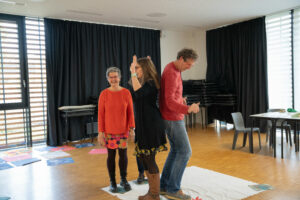
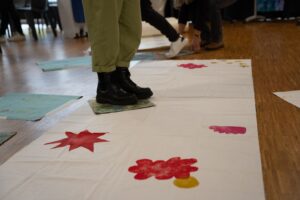
The school offers a variety of extracurricular activities, including a Robotic Workshop that participates in VEX IQ competitions. Other initiatives include Furoshiki workshops for staff and students, and a monthly program organized by the parents' association (APE) to provide fresh, locally sourced fruits and vegetables to students from nursery through secondary levels.

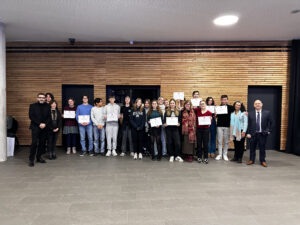
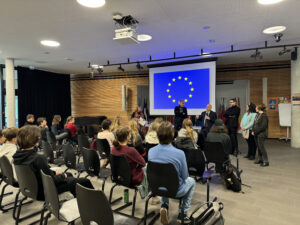
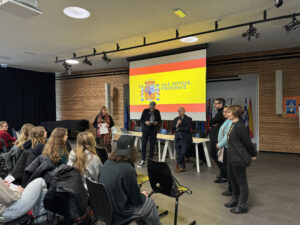
- Jean-Marc AubryDirecteur de l’Ecole Européenne de Strasbourg
Jean-Marc Aubry serves as the Director of the École Européenne de Strasbourg. He emphasizes the school's commitment to European values, diversity, and preparing students for the European Baccalaureate.
- Olivier TeddeProviseur Directeur de l’Ecole Européenne de Strasbourg
Olivier Tedde is identified as the Proviseur Directeur of the École Européenne de Strasbourg in the context of the Administration Council elections.
- Yannick Mullerdirector of nursery and primary cycle
Yannick Muller serves as the director of the nursery and primary cycle at the school. He is involved in recognizing student achievements, such as those in the school's Robotic Workshop.