


The British School of Gran Canaria
Secular
Updated July 2026
 National Curriculum (England)
 IGCSE
IGCSEAccreditations
 British Schools Overseas
 COBIS
COBISLanguages
 English
The British School of Gran Canaria is a private, non-profit international school that follows the UK National Curriculum for students aged 3 to 18. It is the only British Schools Overseas (BSO) accredited school in Gran Canaria and a member of the Council of British International Schools (COBIS).
Teaching approach
The school is a non-profit organisation committed to inspiring socially responsible, lifelong learners. Its core values include sincerity, impartiality, responsibility, and solidarity, with a focus on nurturing curiosity, creativity, and academic success. The school aims to realise the unique potential of each student while promoting diversity and global citizenship.
Programmes
The school delivers the UK National Curriculum in English, spanning from Nursery through to Year 13. The academic programme is divided into sequential stages: Early Years and Foundation Stages (EYFS), Key Stages 1-3, and Key Stages 4-5. Students in the older year groups prepare for university entrance by sitting for IGCSE and A Level examinations.
Outcomes
Graduates consistently secure places at universities in the UK, Spain, and globally, with approximately 65% attending UK institutions and 25% in Spain. Students sit for internationally recognised IGCSE and A Level examinations, achieving high pass rates and top grades. The school provides extensive careers guidance to ensure students are prepared for further education and the transition to university life.
Student support
Learning support
The school provides individual student support meetings and vocational guidance to assist with academic and career planning. Students in the final two years have access to dedicated lessons and online platforms, such as BridgeU, to help with university and course orientation. Additionally, the school facilitates workshops and meetings with parents to ensure comprehensive guidance throughout the university application process.
Frequently asked questions(6)
- What curriculum does The British School of Gran Canaria offer?
- The British School of Gran Canaria offers National Curriculum (England), IGCSE and Cambridge A-Level.
- How much is tuition at The British School of Gran Canaria?
- Annual tuition at The British School of Gran Canaria is €6.4K–€8.1K. Fees vary by year group — confirm the current schedule with the school.
- What ages does The British School of Gran Canaria teach?
- The British School of Gran Canaria enrolls students aged 3 to 18.
- Is The British School of Gran Canaria a day or boarding school?
- The British School of Gran Canaria is a day school.
- What accreditations does The British School of Gran Canaria hold?
- The British School of Gran Canaria holds accreditations including British Schools Overseas and COBIS.
- Where is The British School of Gran Canaria located?
- The British School of Gran Canaria is an international school in Las Palmas de Gran Canaria, Spain.
Tuition & fees
Annual tuition by grade
2025/2026| Grade | Ages | Annual |
|---|---|---|
| Nursery - Year 6 | 3–11 | €6.4K |
| Year 7 - Year 9 | 11–14 | €7.8K |
| Year 10 - Year 11 | 14–16 | €8K |
| Year 12 - Year 13 | 16–18 | €8.1K |
Source:PDF2021-uni-choices.pdfPDF2020-uni-choices.pdfPDF2022-uni-choices.pdfPDFfee-sheet-EN.pdf
Other fees(4)
| Registration fee· First child (Nursery – Y9). 1000 € for second child (or first child Y10-Y11). 500 € for subsequent children (or first child Y12-Y13). | €2K |
|---|---|
| Application fee· 25% of the entrance fee should be paid when the Admission Form is presented and will be deducted from the Entrance Fee. | — |
| Mealsyear· Regular Lunch Service. Occasional use is 6 € per lunch. | €1.1K |
| Bus / transport· Tafira: Las Palmas (1858 €), Vecindario (1869 €), Sonnenland/Maspalomas/etc. (2205 €), Arguineguïn/Puerto Rico (2820 €). South: Puerto Rico/Arguineguín (1120 €). | — |
Discounts
- Sibling discount: 30%, 60%, 90%
Admissions
The admissions process involves school visits and meetings with key staff to ensure prospective families are fully informed. Depending on the student's age, the school may conduct academic evaluations, including English and mathematics assessments. Following formal acceptance, the school facilitates a smooth transition through Taster Days and ongoing parent-school liaison during the initial settling-in period. Applicants are expected to provide recent school reports and demonstrate high standards of behaviour.
Calendar
The school operates on a standard academic calendar with key dates including holidays, exams, field trips, and school events. The academic year concludes in late June, with specific events such as parent-teacher meetings and student excursions scheduled throughout the term. The school also offers Saturday School and summer camp programmes.
Facilities
About the campus
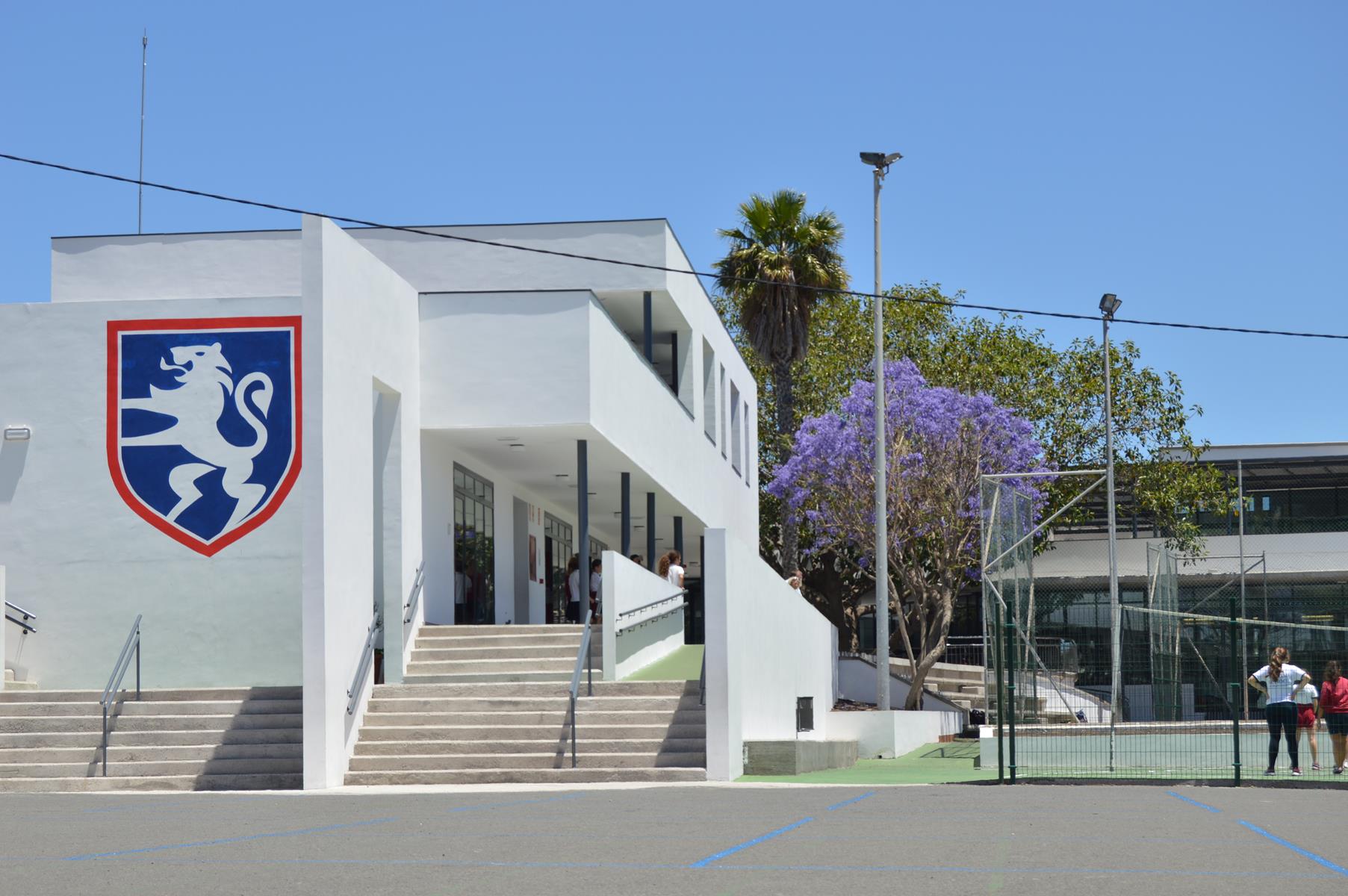
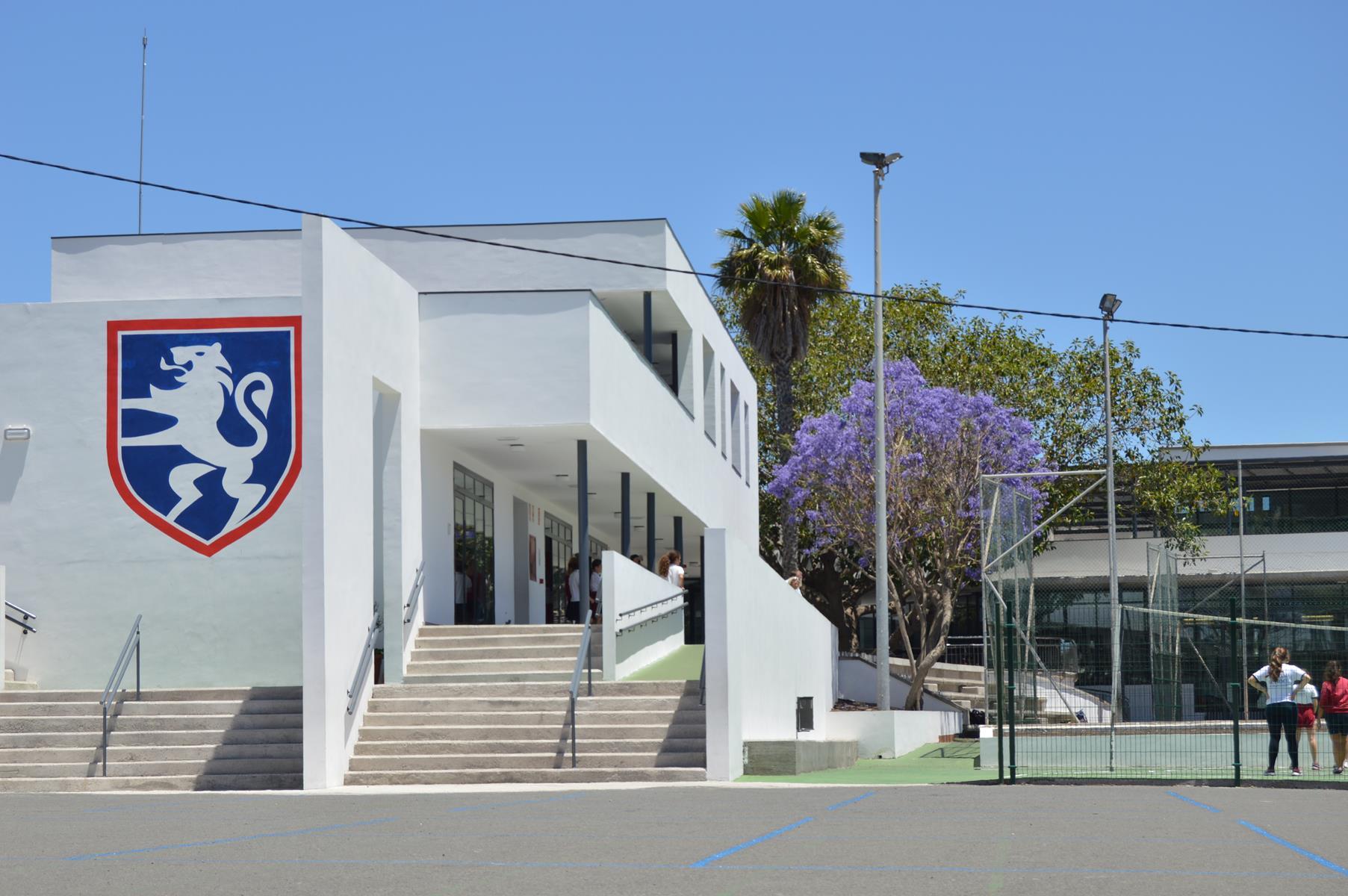
The school operates two modern, purpose-built campuses: the South School in Maspalomas and the Tafira campus near Las Palmas. The South School features ten large classrooms, library areas, and dedicated rubberised play spaces for younger students. The Tafira campus, renovated in 2015, includes specialist science laboratories for chemistry, physics, and biology, an art room with a pottery oven, a music room with individual practice spaces, and a dedicated computer suite. Both sites offer dining facilities, while the Tafira campus also houses a large sports hall, an Ágora for performances and assemblies, and outdoor courts for football, volleyball, and basketball.
Co-curriculars
The school provides a range of enrichment opportunities designed to prepare students for life beyond the classroom. Activities include drama clubs, sports, and annual events such as a Careers Day where students engage with professionals from various fields. The school also hosts STEM days and water sports excursions to broaden student experiences.
 Mr Julian ClarkHeadmaster
Mr. Julian Clark has been an educator for 35 years, having taught in the UK and other countries. Before joining the British School of Gran Canaria in January 2012, he served as the Head of Secondary School at St Andrew’s Scots School in Buenos Aires for 11 years. He holds a degree from the University of London and a postgraduate teaching certification from Exeter University.
More international schools in Las Palmas de Gran Canaria
- Oakley CollegeNational Curriculum (England), IGCSE, Cambridge A-Level
- Canterbury School of Gran CanariaNational Curriculum (England), IGCSE, IB Diploma
- Canterbury SchoolNational Curriculum (England), IGCSE, IB Diploma
- Colegio Hispano Inglés de Las PalmasIGCSE, Cambridge A-Level
- Colegio ArenasIB PYP, IB MYP, IB Diploma
- Colegio Brains Maria LombilloIB PYP, IB MYP, IB Diploma