

Santiago College
Christian
Updated July 2026
 IB PYP
 CIS
CIS NEASC
NEASC
Santiago College is a prestigious, private, bilingual, and co-educational school in Santiago, Chile, offering a challenging academic continuum from early childhood to graduation. It is an IB World School that integrates the International Baccalaureate programmes with the requirements of the Chilean Ministry of Education.
Curriculum
Term structure
Teaching approach
Santiago College provides a holistic, bilingual education that merges 145 years of tradition with an innovative spirit. It aims to form confident, self-directed, lifelong learners who possess intercultural understanding and a commitment to social values, focusing on the intellectual, creative, spiritual, personal, social, emotional, and physical well-being of its students.
Programmes
The school offers a continuum of three International Baccalaureate (IB) programmes: the Primary Years Programme (PYP) for Infant and Lower School, the Middle Years Programme (MYP) for Middle School, and the Diploma Programme (DP) for High School. The curriculum covers a wide range of subjects including Languages, Mathematics, Sciences, Individuals and Societies, and the Arts, while also fulfilling the requirements of the Chilean national curriculum.
Outcomes
Santiago College prepares students for higher education both in Chile and internationally, with graduates accessing universities in a wide variety of countries. The school's curriculum includes the mandatory IB Diploma Programme, which, alongside the Chilean national curriculum, ensures students are well-prepared for national university entrance examinations.
Student support
Learning support
The school is committed to removing barriers to learning and well-being to support personal excellence. In compliance with local regulations, it works to ensure equal opportunities for applicants with disabilities, including the provision of necessary curricular accommodations.
Frequently asked questions(5)
- What curriculum does Santiago College offer?
- Santiago College offers IB PYP, IB MYP and IB Diploma.
- What ages does Santiago College teach?
- Santiago College enrolls students aged 4 to 18.
- What accreditations does Santiago College hold?
- Santiago College holds accreditations including IB, CIS and NEASC.
- Is Santiago College co-educational?
- Santiago College is a co-ed school.
- Where is Santiago College located?
- Santiago College is an international school in Santiago, Chile.
Tuition & fees
No published fee schedule was found for this school.
Admissions
Santiago College is a diverse, multicultural, and bilingual institution that admits students without discrimination. The application process is divided into two stages, with priority given to current school families and children of alumni. Applicants for Pre-Kindergarten must be at least 4 years old by March 31st of the entry year, and the process includes a group maturity evaluation and family interviews to assess alignment with the school's educational philosophy.
Calendar
The school year at Santiago College begins in March and concludes in December. Detailed calendars for 2026 and 2027 are available for download on the school's website.
Facilities
About the campus
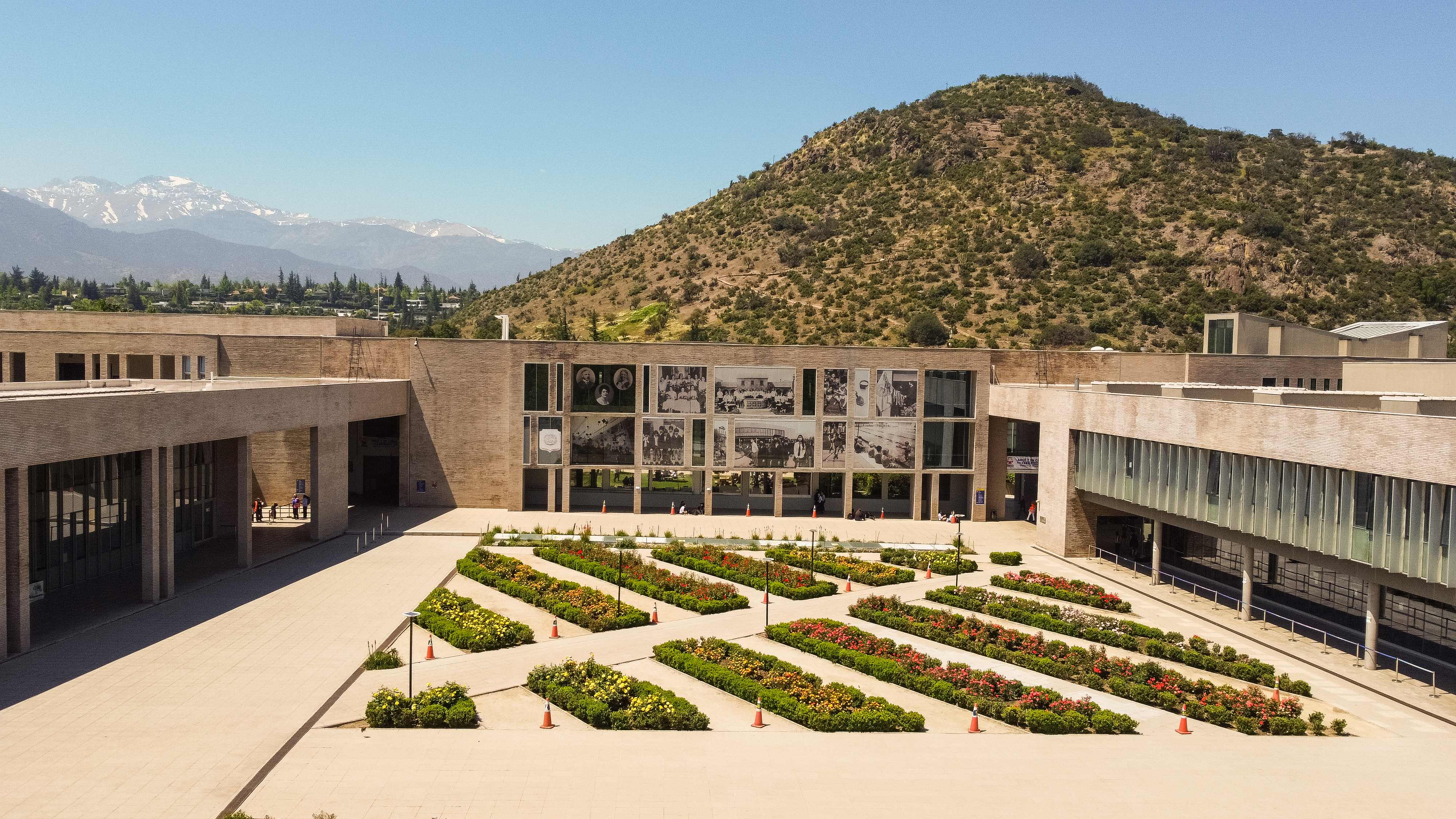
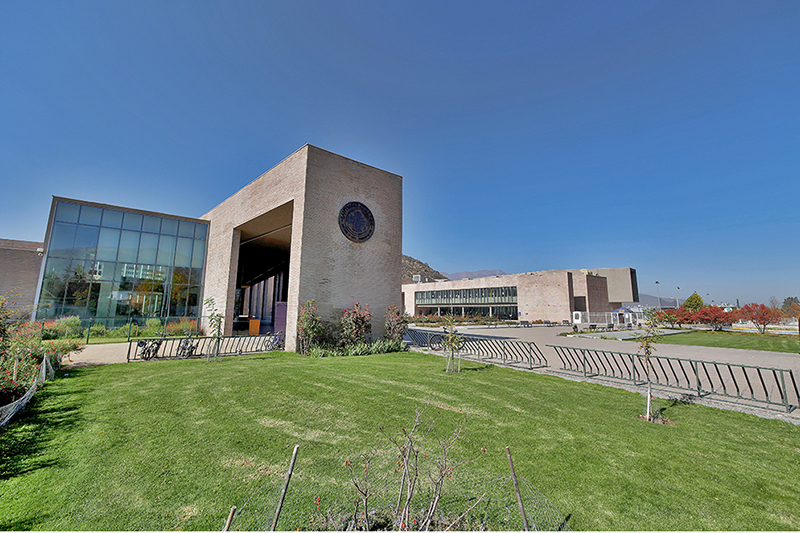
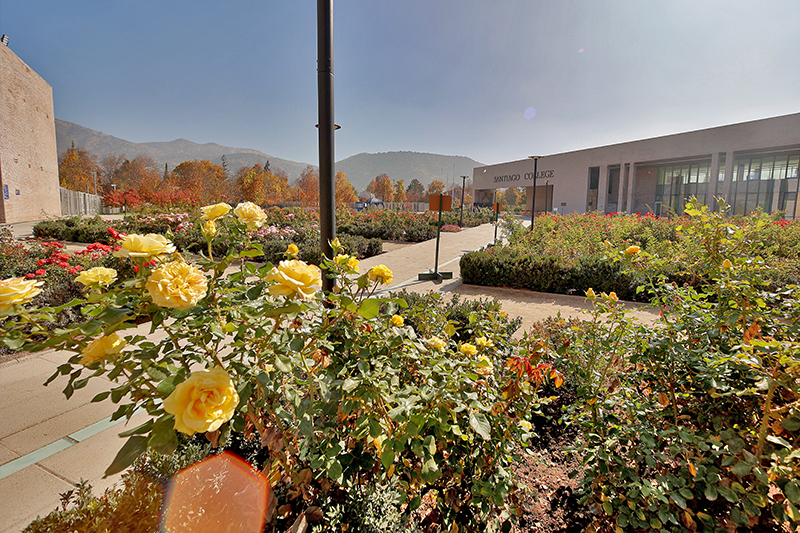
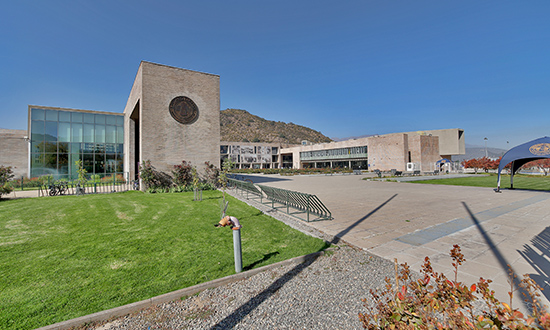
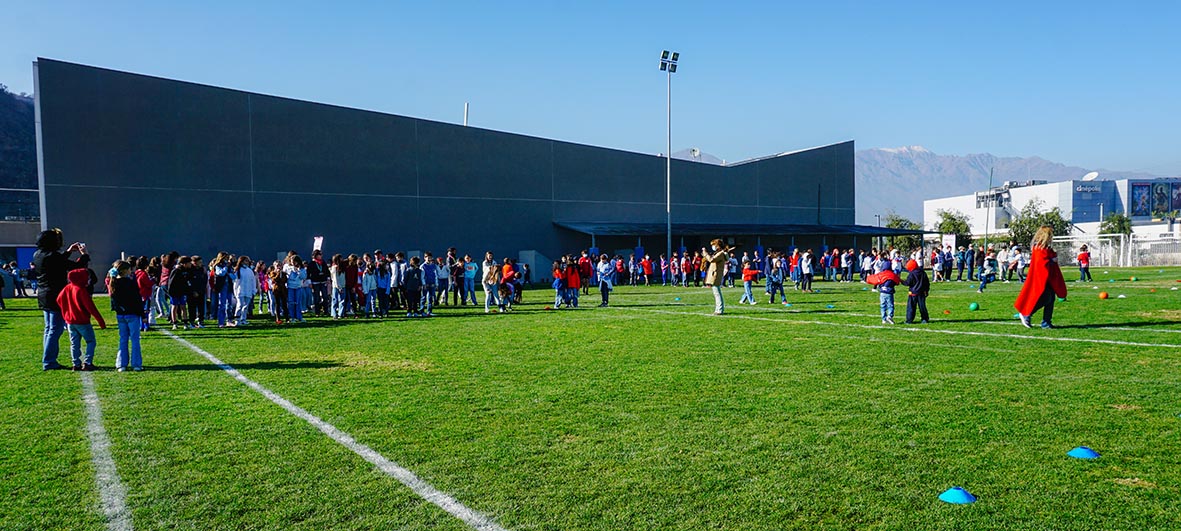
Located at the foothills of the Andes in Lo Barnechea, Santiago, the campus features modern facilities including a recently inaugurated synthetic athletic track. The school also maintains a library and various specialized departments to support its academic and extracurricular programmes.
Co-curriculars
The school offers a range of departments and areas including Arts, Physical Education and Sports, and Design. Students participate in various traditions and ceremonies, such as the 'Last Chapel' and 'Ring and Medal' events, which are integral to the school's community life.
- Alan LorenziniHead of School
Alan Lorenzini joined Santiago College in July 2024 as Associate Head and transitioned to the role of Head of School at the start of 2025. He is British with Spanish and Italian heritage and has spent most of his adult life working in international schools.