
The English International School of Padua
EISPFounded 1987
Updated July 2026
 IGCSE
IGCSE IB Diploma
Established in 1987, The English International School of Padua (EISP) is a private, bilingual international school serving students aged 1 to 18. It provides a child-centered, rigorous academic environment that prepares students for global university success through a blend of English and Italian instruction.
Curriculum
Term structure
Teaching approach
The school’s mission is to provide a safe, inclusive, and supportive international environment that fosters critical thinking, global awareness, and independent learning. It employs a holistic approach to education, aiming to develop students' full potential while promoting intercultural respect and curiosity. The school is dedicated to preparing students to become empowered global citizens and lifelong learners capable of navigating a complex, evolving world.
Programmes
The school offers a continuous educational pathway from Nursery and Infant school through to High School. The curriculum includes the Cambridge IGCSE programme for students aged 14–16, focusing on critical thinking and research skills across 9 to 11 subjects. For students aged 16–19, the school provides the International Baccalaureate (IB) Diploma Programme, which includes six subject groups, an additional language, and the core components of Theory of Knowledge (TOK), the Extended Essay (EE), and Creativity, Activity, and Service (CAS). Digital literacy, including coding and computational thinking, is integrated into the curriculum starting from the nursery level.
Student support
Learning support
The school employs a dedicated School Psychologist to support students, parents, and staff, and provides access to an external consultant for life coaching. For students requiring additional language support, the school offers an English as an Additional Language (EAL) programme in the Middle School. Furthermore, the school provides alternative meal options for students with documented allergies, food intolerances, or specific dietary requirements.
Frequently asked questions(7)
- What curriculum does The English International School of Padua offer?
- The English International School of Padua offers IGCSE and IB Diploma.
- How much is tuition at The English International School of Padua?
- Annual tuition at The English International School of Padua is €7.6K–€15.2K. Fees vary by year group — confirm the current schedule with the school.
- What ages does The English International School of Padua teach?
- The English International School of Padua enrolls students aged 1 to 18.
- Is The English International School of Padua a day or boarding school?
- The English International School of Padua is a day school.
- What accreditations does The English International School of Padua hold?
- The English International School of Padua holds accreditations including IB.
- Is The English International School of Padua co-educational?
- The English International School of Padua is a co-ed school.
- Where is The English International School of Padua located?
- The English International School of Padua is an international school in Padua, Italy.
Tuition & fees
Annual tuition by grade
2026-2027| Grade | Ages | Annual |
|---|---|---|
| Nursery-Infant school | 1–3 | €7.6K |
| Elementary | 4–10 | €9.8K |
| Middle | 11–13 | €12.4K |
| High | 14–18 | €15.2K |
Other fees(3)
| Enrolment fee· Required annually as part of the total amount due for the school year. A €500 reduction applies if paid by 31 January 2026. | €1.5K |
|---|---|
| EAL· Mandatory for Middle school students who need to improve their English level. Paid in two instalments of €1,250.00. | €2.5K |
| Bus / transport· Per single trip: Area A (within 7 km) €12.00, Area B (within 15 km) €15.00, Area C (within 30 km) €17.00, Area D (within 100 km) €18.00. Discounts available for bulk trip purchases. | — |
Discounts
- Early-bird discount: 500
- Sibling discount: 10% / 15%
Admissions
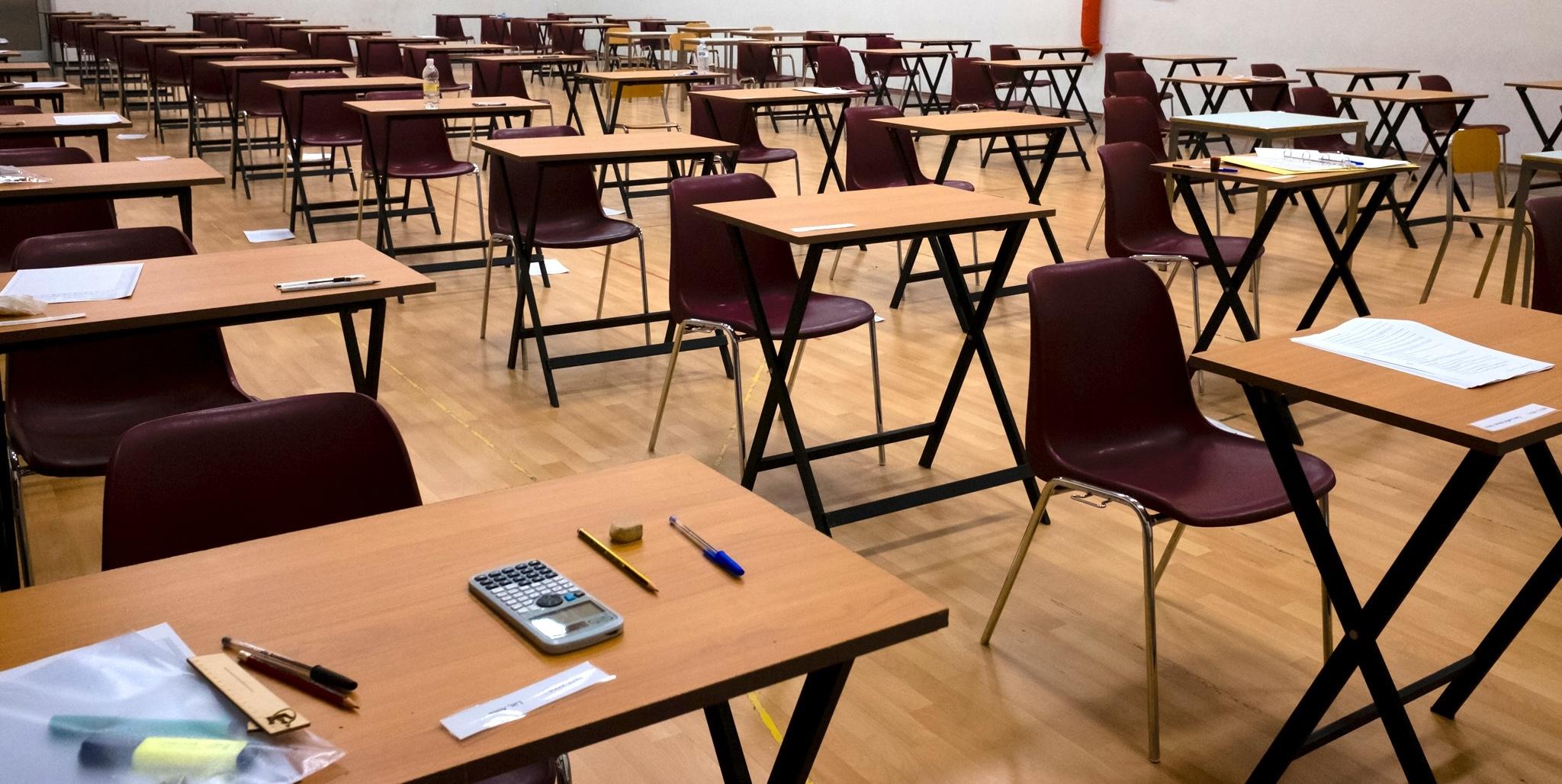
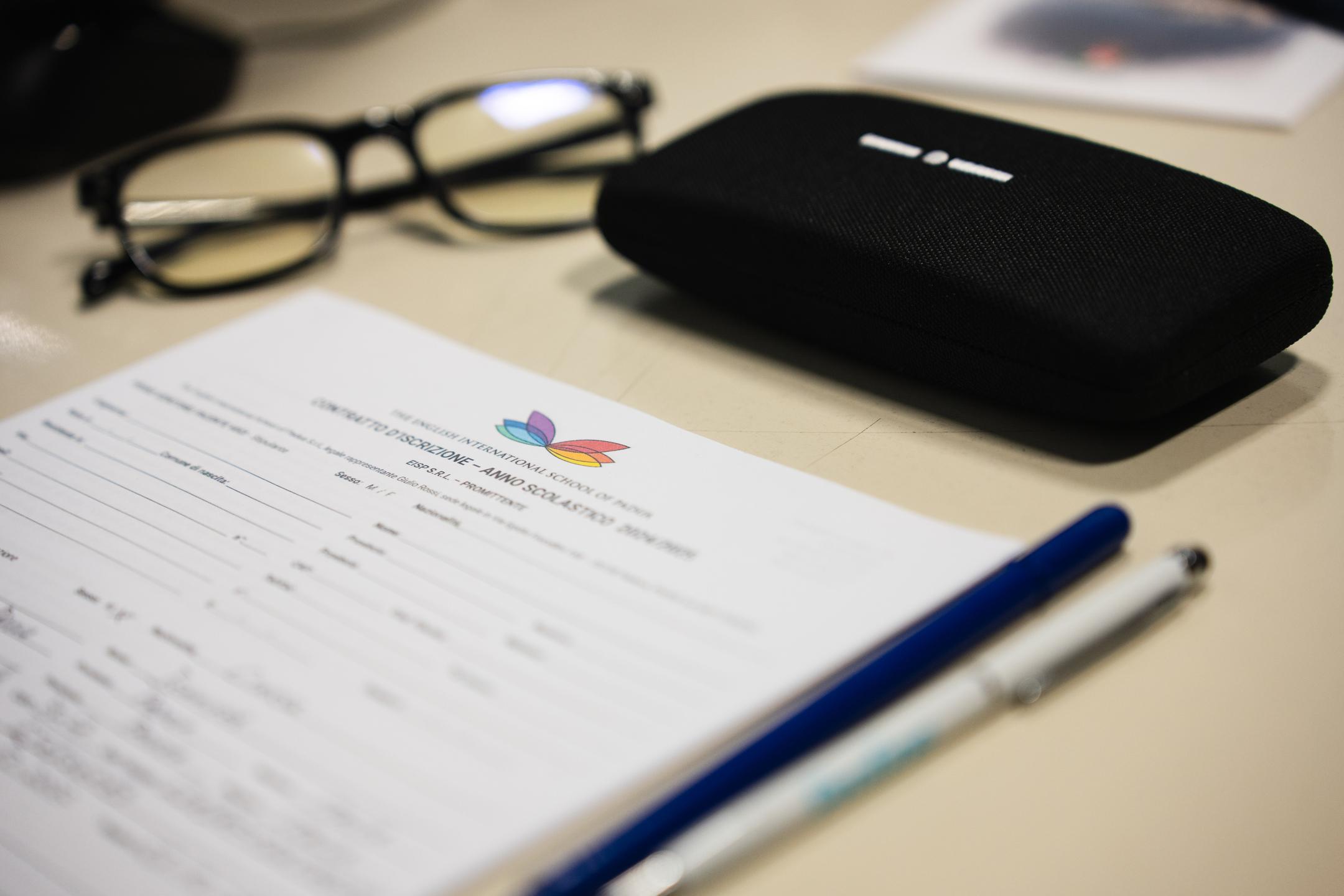
The admissions process begins with an information request and an introductory meeting with the relevant Head of School, which can be conducted in person or via Google Meet. Entrance exams are mandatory for students entering Grades 3 through 11, though these may be proctored remotely under specific conditions. The Admissions Board evaluates applications within 10 working days, after which families must sign a contract and pay an enrolment fee to finalise the process. Placement is determined by the student's birth year, and families are required to provide comprehensive documentation regarding the student's academic, linguistic, and health background.
Calendar
The school year typically runs from early September to late June. The calendar includes scheduled breaks in October, December, January, February, April, and May, alongside various public holidays. Term dates are structured to accommodate different year groups, with specific start and end dates for Nursery/Infant levels compared to Primary and Secondary students.
Facilities
About the campus
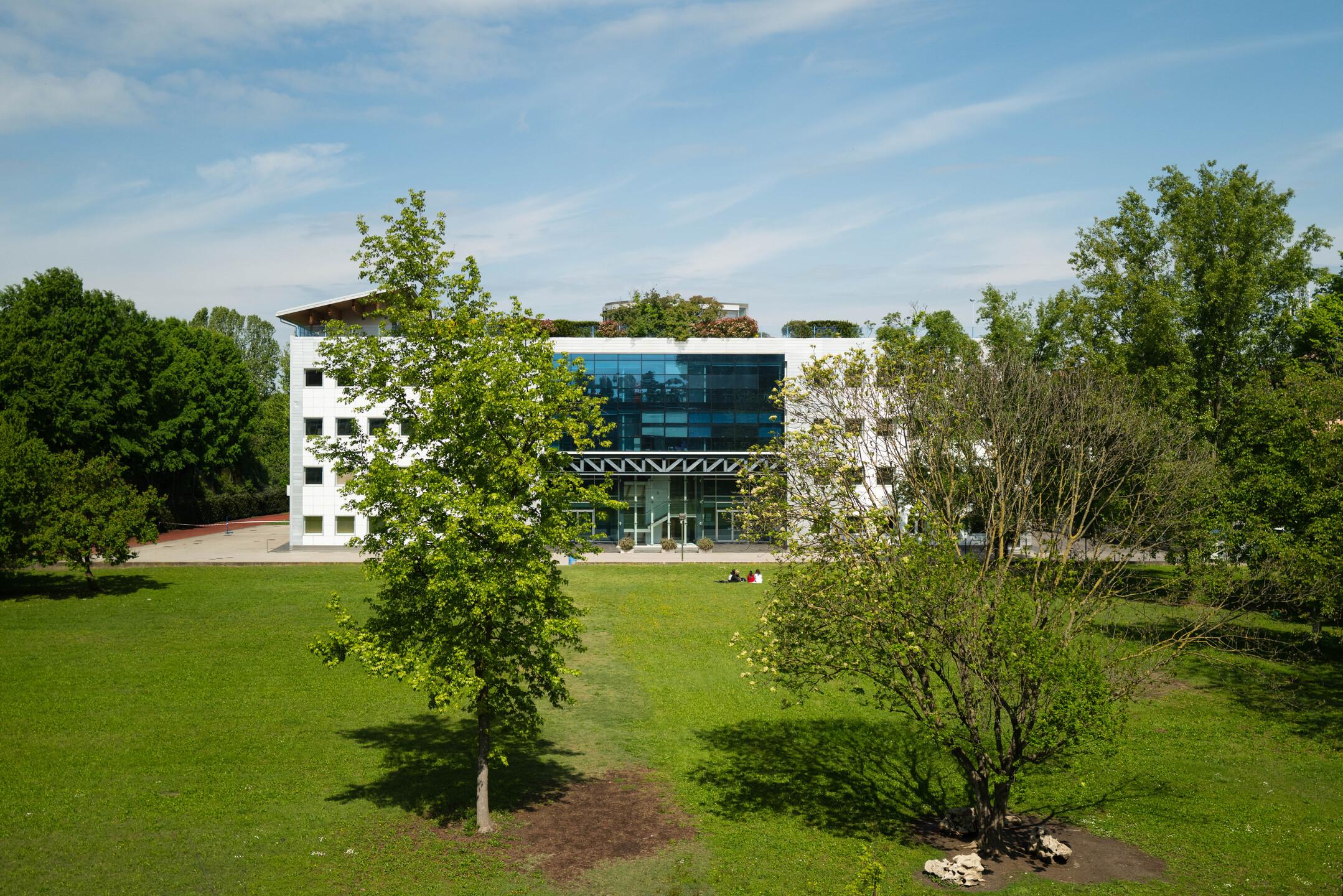
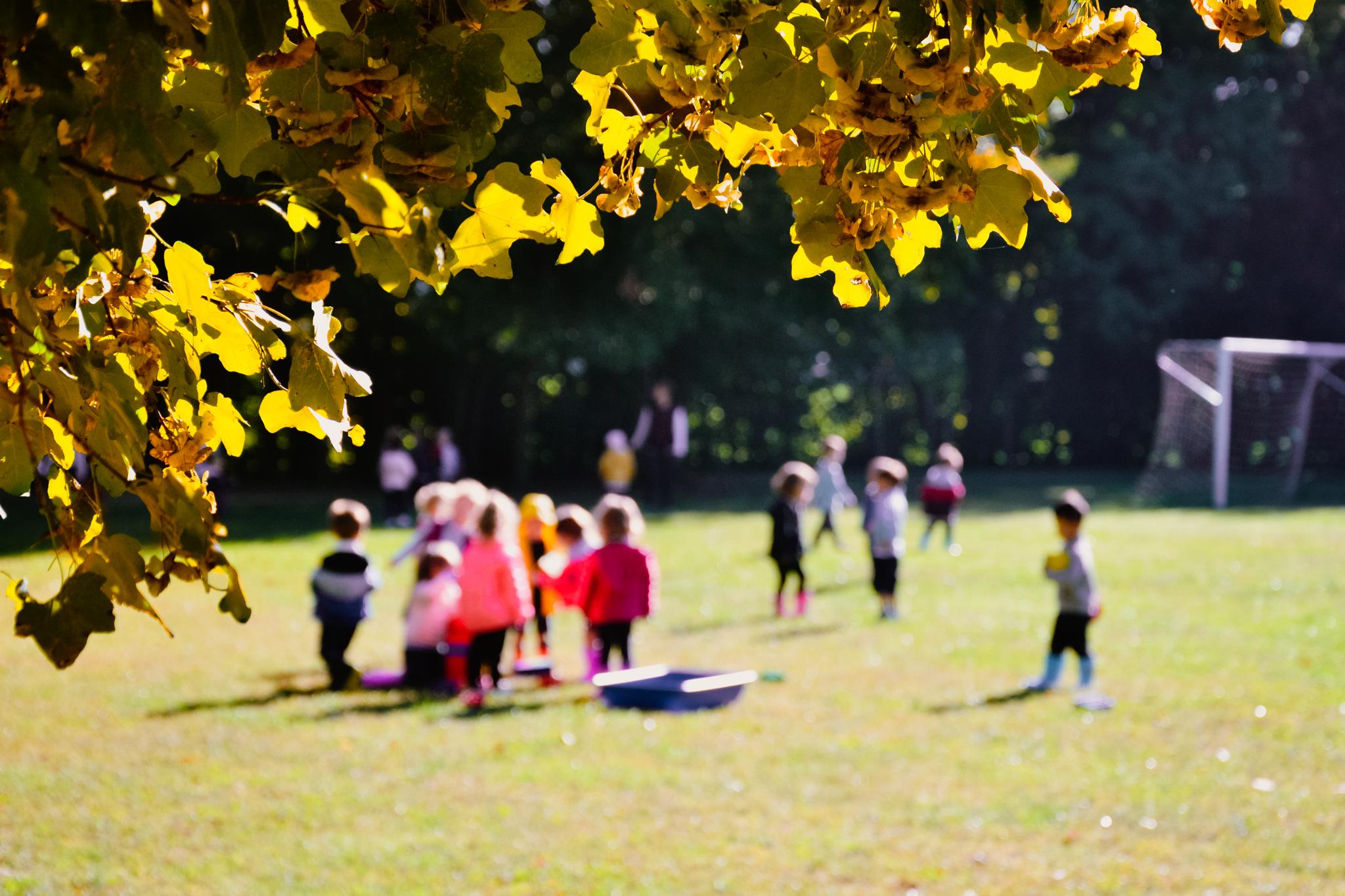
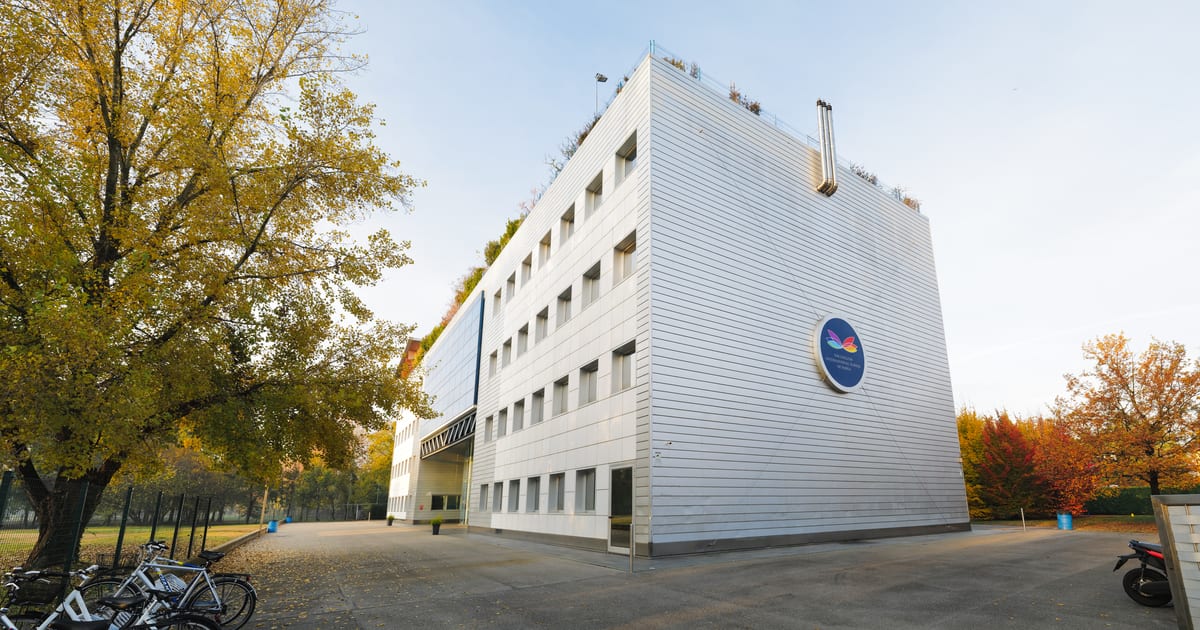
The campus consists of two purpose-built buildings: one for Nursery/Infant and Primary students (Via Forcellini 168) and one for Middle and High school students (Via Forcellini 164). Facilities include fully equipped gyms, an athletics track, an outdoor synthetic pitch, and extensive green areas. Academic spaces feature IT and science labs, four libraries, a reading room, and classrooms equipped with interactive whiteboards, projectors, and Smart TVs. The school also maintains two in-house canteens, a theatre room, and a soft playroom for younger students, all supported by a geo-solar energy system.
Co-curriculars
The school offers a variety of extracurricular activities, including sports such as gymnastics, basketball, football, cricket, rounders, and volleyball. Students also participate in international conferences like Model United Nations (MUN) and Theory of Knowledge (TOK) events, as well as cultural and artistic school trips. Additionally, the school provides a summer camp programme and opportunities for students to engage in community service and athletic options as part of the IB Diploma's CAS component.